Full Course On Forex Automation
Instagram/Youtube/Telegram: @TradeWJeo
Understanding Forex
The foreign exchange market, commonly referred to as Forex or FX, is the largest and most liquid financial market in the world. With daily trading volumes exceeding $6 trillion, it dwarfs other markets, including stocks and commodities.
Forex trading involves the simultaneous buying of one currency and selling of another, and it is conducted over-the-counter (OTC) through a global network of banks, brokers, and individuals. This chapter will delve into the essentials of Forex trading, highlighting its global significance, key concepts, major currency pairs and participants, and the fundamentals of trading practices.
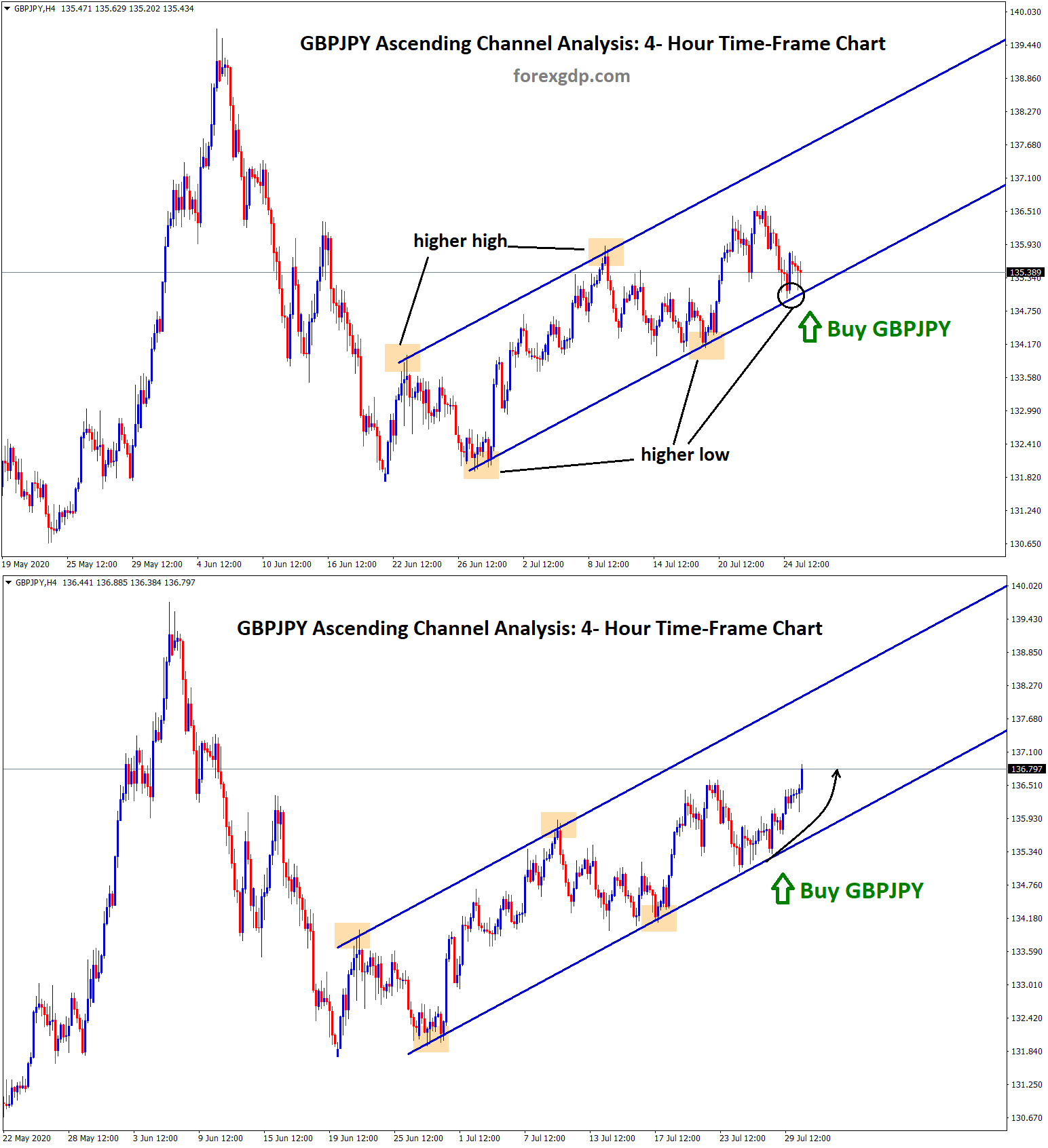
What Is Forex?
Forex, short for foreign exchange, refers to the process of exchanging one currency for another. The Forex market is a decentralized marketplace where currencies are traded against each other. This market operates 24 hours a day, five days a week, allowing for constant opportunities to trade.
Forex trading is crucial for numerous reasons:
  • It facilitates international trade and investment by enabling currency conversion
  • The Forex market influences global economic stability
  • Central banks, governments, and multinational corporations rely on it to manage currency risk and stabilize their economies
For instance, a company in the United States can import goods from Europe and pay in euros, even though its revenue is in US dollars.
Key Concepts In Forex Trading
Pips
A pip, short for "percentage in point," is the smallest price move in a currency pair. For most currency pairs, a pip is equal to 0.0001, or one-hundredth of one percent. For example, if the EUR/USD pair moves from 1.1050 to 1.1051, it has increased by one pip. Pips are crucial for calculating profit and loss in Forex trading.
Lots
A lot is a standardized trading amount in the Forex market. There are three main types of lots: standard, mini, and micro. A standard lot represents 100,000 units of the base currency, a mini lot represents 10,000 units, and a micro lot represents 1,000 units. The ability to trade in different lot sizes allows traders to manage their risk and capital more effectively.
Leverage
Leverage allows traders to control a larger position with a smaller amount of capital. For example, a leverage ratio of 100:1 means that for every $1 of capital, a trader can control $100 in the market. While leverage can amplify profits, it also increases the potential for significant losses. Therefore, it should be used with caution.
Margin
Margin is the collateral needed to open and maintain a leveraged position. It is a portion of the trader's account balance set aside to cover potential losses. For instance, with a 1% margin requirement, a trader needs to deposit $1,000 to control a $100,000 position. Proper margin management is crucial to avoid margin calls, where brokers demand additional funds to keep positions open.
Major Currency Pairs And Market Participants
Forex Currency Pairs
The Forex market involves trading currency pairs, where one currency is exchanged for another. The most traded currency pairs are known as major pairs, and they typically involve the US dollar (USD) as one of the currencies.
Popular Major Pairs
Some of the most popular major pairs include:
EUR/USD (Euro/US Dollar): This is the most traded currency pair in the world, representing the economies of the Eurozone and the United States. It is known for its liquidity and tight spreads.
USD/JPY (US Dollar/Japanese Yen): This pair reflects the economic relationship between the United States and Japan. It is characterized by its volatility and the influence of Japanese economic policies.
GBP/USD (British Pound/US Dollar): Also known as "Cable," this pair represents the economies of the United Kingdom and the United States. It is influenced by political and economic events in both countries.
USD/CHF (US Dollar/Swiss Franc): This pair involves the US dollar and the Swiss franc, often considered a safe-haven currency due to Switzerland's stable economy and financial system.
Other Currency Pairs
In addition to major pairs, there are minor pairs, which include currencies from smaller economies, and exotic pairs, which involve a major currency and a currency from an emerging or smaller economy.
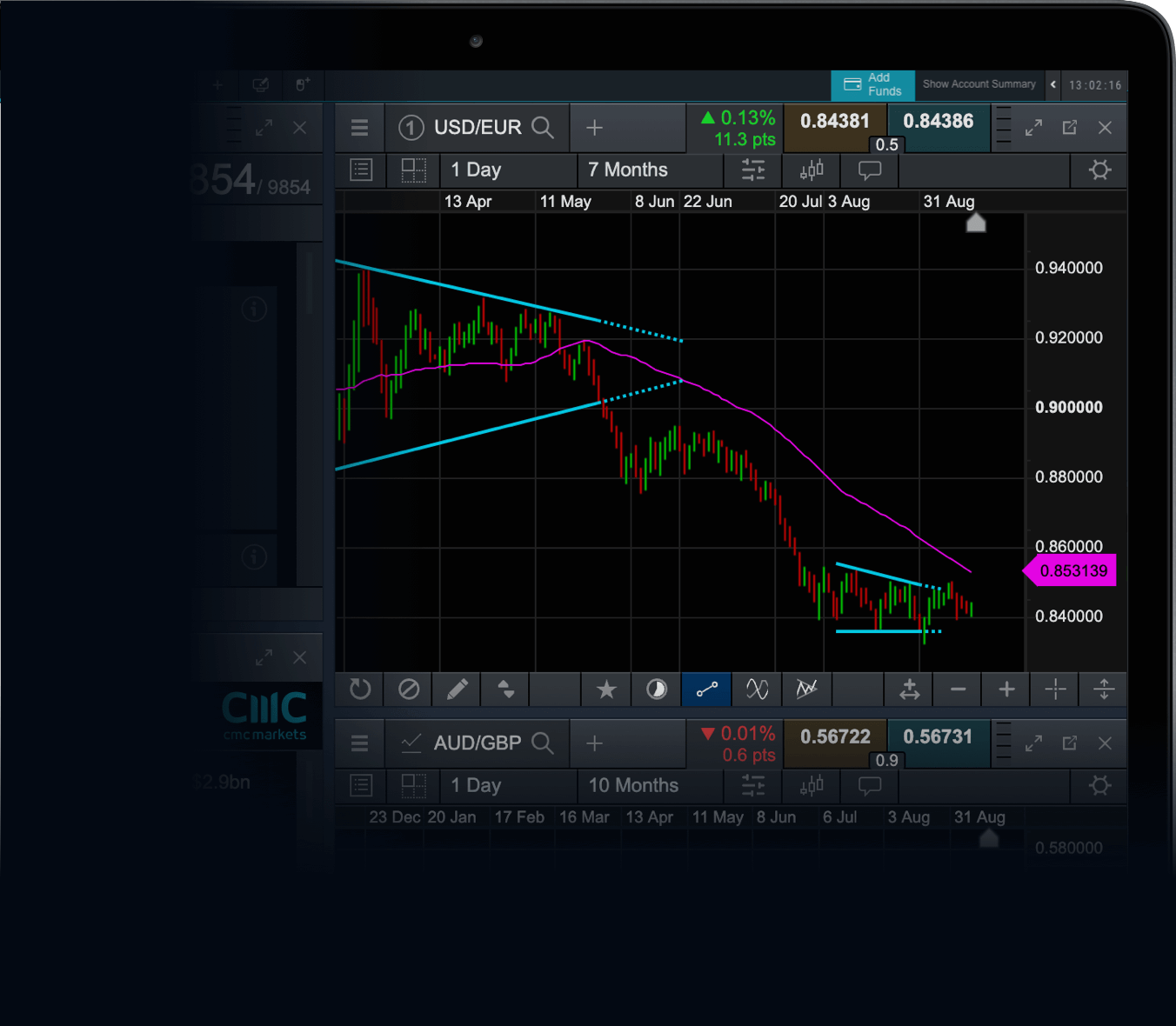
Market Participants
Central Banks
Key players like the Federal Reserve (Fed) and European Central Bank (ECB) manage currency reserves, implement monetary policy, and intervene to stabilize economies. Their decisions on interest rates significantly impact currency values.
Financial Institutions
Major banks such as JPMorgan Chase, Citibank, and Deutsche Bank facilitate currency trading for clients, including multinational corporations and hedge funds. They also engage in proprietary trading to profit from currency fluctuations.
Hedge Funds
Investment funds that use various strategies to generate returns. Many actively trade currencies, taking advantage of market volatility and trends. Their large trading volumes can influence market movements.
Retail Traders
Individual traders participate through online trading platforms. They range from hobbyists to professional full-time traders. Advances in technology have made Forex trading accessible to a broader audience.
The Forex market comprises various participants, each playing a unique role. Fundamentals of Forex Trading involve the exchange of one currency for another with the aim of making a profit from changes in exchange rates. To be successful in Forex trading, it is essential to understand the mechanics of buying and selling currencies, as well as the tools and techniques used for analysis.
Mechanics Of Buying And Selling Currencies
1
Currency Pairs
Forex trading always involves trading currency pairs. When a trader buys a currency pair, they are buying the base currency and selling the quote currency. Conversely, when they sell a currency pair, they are selling the base currency and buying the quote currency.
2
Example: EUR/USD
For example, in the EUR/USD pair, the euro is the base currency, and the US dollar is the quote currency. If a trader believes that the euro will strengthen against the US dollar, they will buy EUR/USD. If they believe the euro will weaken, they will sell EUR/USD.
3
Execution Process
Trades are executed through brokers or trading platforms, which provide access to the Forex market. These platforms display real-time exchange rates, allowing traders to place orders to buy or sell currency pairs.
4
Types of Orders
There are different types of orders, including market orders (executed immediately at the current market price) and limit orders (executed when the price reaches a specified level).
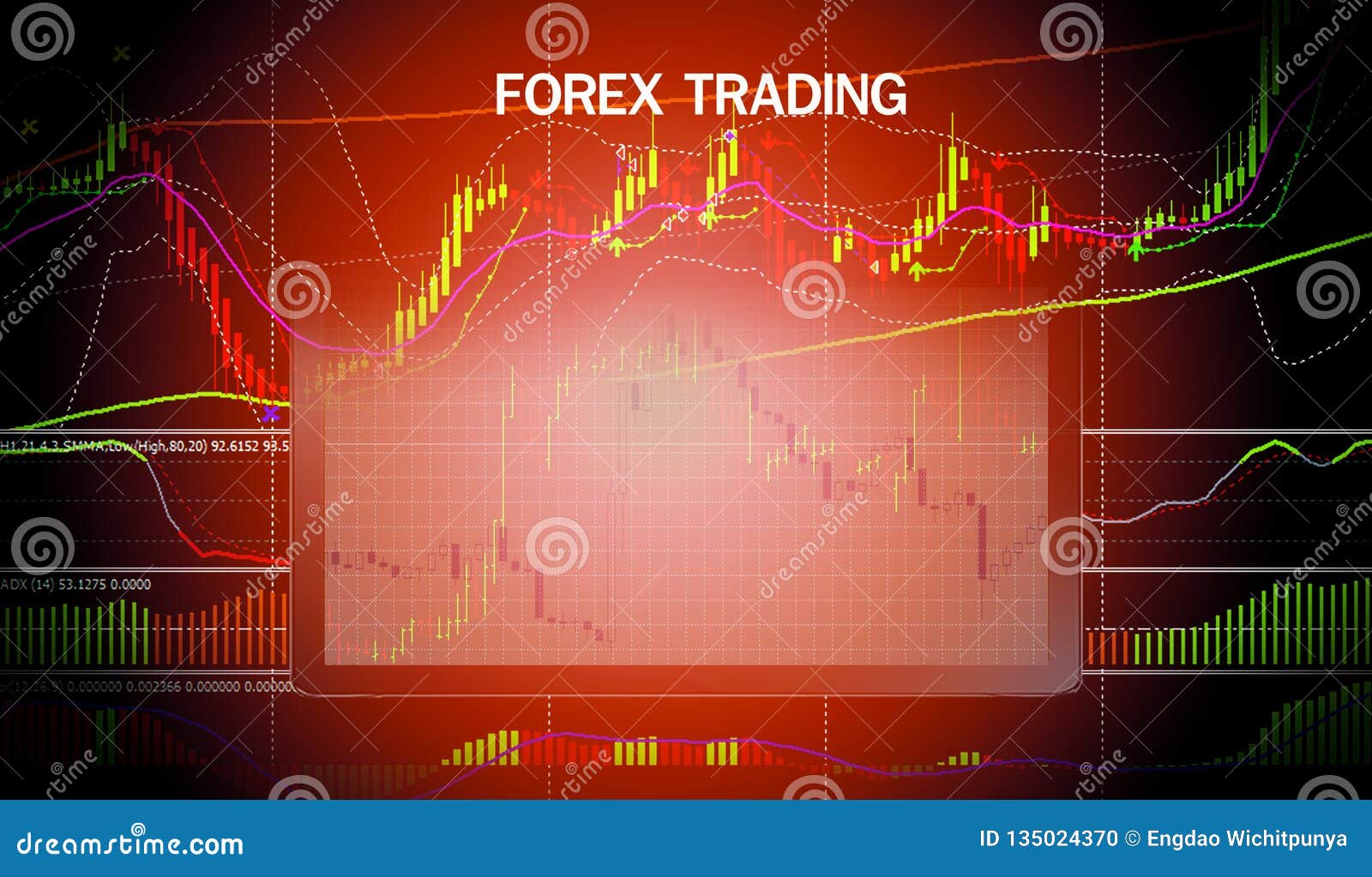
Technical Analysis Tools
Moving Averages
Moving averages smooth out price data to identify overall trends. Simple moving average (SMA) and exponential moving average (EMA) are common types. Traders use moving average crossovers to generate buy and sell signals.
Relative Strength Index (RSI)
RSI is a momentum oscillator measuring speed and change of price movements. It ranges from 0 to 100. An RSI above 70 indicates overbought conditions, while below 30 indicates oversold conditions.
Bollinger Bands
Bollinger Bands consist of a moving average and two standard deviation lines, providing a visual representation of price volatility. Price near the upper band may indicate overbought conditions, while near the lower band may indicate oversold conditions.
Fibonacci Retracement
Fibonacci retracement levels are horizontal lines indicating potential support and resistance levels. Based on the Fibonacci sequence, they are used to identify possible reversal points in the market.
Fundamental Analysis
Economic Indicators
Fundamental analysis involves assessing economic indicators to predict currency movements. Traders analyze macroeconomic data such as:
  • Gross domestic product (GDP)
  • Employment figures
  • Inflation rates
  • Interest rates
These indicators provide insights into the health of an economy and its currency. For example, a strong GDP growth rate suggests a healthy economy, which can lead to a stronger currency. Conversely, high unemployment rates may indicate economic weakness and result in a weaker currency.
Central Bank Policies
Central banks' decisions on interest rates and monetary policy have a significant impact on currency values. For instance, an interest rate hike by the Federal Reserve can attract foreign investment, leading to a stronger US dollar. Traders closely monitor central bank announcements and speeches for clues about future policy changes.
Geopolitical Events
Political events, such as elections, trade agreements, and international conflicts, can create uncertainty and volatility in the Forex market. For example, the announcement of Brexit led to significant fluctuations in the value of the British pound. Traders need to stay informed about global events and their potential impact on currency markets.
Trading Platforms And Tools
MetaTrader 4 (MT4)
MT4 is one of the most widely used trading platforms in the Forex market. It offers a user-friendly interface, customizable charts, and a wide range of technical analysis tools. Traders can also use automated trading strategies, known as Expert Advisors (EAs), to execute trades based on predefined criteria.
MetaTrader 5 (MT5)
MT5 is the successor to MT4 and offers additional features, such as more timeframes and technical indicators. It also supports trading in other financial markets, including stocks and commodities.
cTrader
cTrader is another popular trading platform known for its advanced charting capabilities and user-friendly interface. It provides access to Level II pricing, allowing traders to see the depth of the market.
TradingView
TradingView is a web-based platform that offers powerful charting and analysis tools. It is popular among traders for its social trading features, allowing users to share and discuss trading ideas.
In addition to trading platforms, traders use various tools to enhance their trading experience:
Economic Calendars
Economic calendars provide a schedule of upcoming economic events and data releases. Traders use these calendars to stay informed about key events that may impact the market.
News Feeds
Real-time news feeds, such as those provided by Reuters or Bloomberg, deliver the latest market news and analysis. Staying up-to-date with news events is crucial for making informed trading decisions.
Trading Journals
Keeping a trading journal helps traders track their trades, analyze performance, and identify areas for improvement. A trading journal includes details such as entry and exit points, trade size, and the rationale behind each trade.
Conclusion
Understanding Forex trading is essential for anyone looking to participate in the world's largest financial market. This chapter has provided an overview of the Forex market, including its significance, key concepts, major currency pairs, and market participants. It has also covered the fundamentals of Forex trading, including the mechanics of buying and selling currencies, technical and fundamental analysis, and the tools and platforms used by traders.
Forex trading offers numerous opportunities for profit, but it also comes with risks. Successful traders need to combine their knowledge of the market with sound risk management practices and continuous learning. In the next chapter, we will delve deeper into advanced trading strategies and techniques, providing you with the tools and insights needed to navigate the Forex market with confidence.
Basics of Algorithmic Trading
Algorithmic trading, or algo trading, uses computer programs to automate financial asset trading. These algorithms make decisions based on predefined criteria, aiming to execute trades at optimal times with speed and efficiency beyond human capabilities.
Advantages include increased trading speed, allowing capitalization on fleeting market opportunities, and reduction of emotional bias. Challenges involve potential system failures, market risks, and the need for well-designed algorithms.
Types of algorithmic trading include trend-following bots, arbitrage bots, and market-making bots. Each type employs different strategies to capitalize on market conditions, from identifying trends to exploiting price discrepancies and providing market liquidity.
Getting Started With Forex Trading Bots
Understanding Forex Trading Bots
Forex trading bots are specialized algorithms designed to automate currency trading on the global market. These bots analyze market data, identify opportunities, and execute trades based on predefined strategies. Popular Forex trading bots include:
  • MetaTrader Expert Advisors (EAs)
  • ZuluTrade
  • NinjaTrader
Key Components of Forex Trading Bots
Strategy: The core plan for entering and exiting trades, considering factors like market trends, technical indicators, and economic events.
Execution: The process of placing orders quickly and accurately to capitalize on market opportunities.
Risk Management: Techniques to minimize potential losses and protect trading capital, including stop-loss orders, take-profit orders, and diversification.
Popular Platforms for Forex Trading Bots
MetaTrader: Robust support for Expert Advisors, user-friendly interface, and extensive library of technical indicators.
TradingView: Advanced charting, social trading features, and support for custom indicators and automated strategies using Pine Script language.
These platforms enable traders to automate strategies, backtest using historical data, and operate seamlessly without local installations.
Benefits and Considerations
Algorithmic trading has revolutionized financial markets, enabling traders to automate strategies and execute trades with unprecedented speed and precision.
While advantages are clear, it's essential to be aware of associated challenges and risks.
By understanding key components and leveraging platforms like MetaTrader and TradingView, traders can harness automation to enhance performance and achieve financial goals.
Understanding MetaTrader 4 and MetaTrader 5
MetaTrader 4 (MT4)
Launched in 2005, MT4 features a user-friendly interface, robust charting tools, and support for automated trading through Expert Advisors (EAs). It uses MQL4 for developing trading strategies and custom indicators.
  • Comprehensive charting tools
  • Multiple order types
  • Extensive library of third-party tools and add-ons
MetaTrader 5 (MT5)
Released in 2010, MT5 offers enhancements and new features. It supports MQL5, a more advanced programming language with object-oriented features for developing complex trading systems.
  • Enhanced charting tools and broader timeframes
  • Improved market depth functionality
  • Integrated economic calendar
EX4 and EX5 Files
EX4 and EX5 are compiled versions of MQL4 and MQL5 scripts, essential for running automated trading systems and custom indicators on MT4 and MT5 platforms.
  • Platform-specific compatibility
  • Efficient execution of trading strategies
  • Protection of developers' intellectual property
MetaTrader 4 (MT4) and MetaTrader 5 (MT5) are two of the most popular trading platforms used by traders worldwide for algorithmic trading. Developed by MetaQuotes Software, these platforms provide powerful tools and capabilities for trading in financial markets, including Forex, commodities, and stocks. Algorithmic trading, which involves using automated systems to execute trades based on predefined criteria, has become increasingly prevalent, and MT4 and MT5 are at the forefront of this technological advancement.
Features of MetaTrader 4 (MT4)
MT4, launched in 2005, quickly gained popularity due to its user-friendly interface, robust charting tools, and support for automated trading through Expert Advisors (EAs). The platform allows traders to perform technical analysis, run trading robots, and backtest strategies using historical data. One of the key features of MT4 is its support for MQL4 (MetaQuotes Language 4), a programming language designed for developing trading strategies and custom indicators. MQL4 is relatively easy to learn and provides a wide range of functions for creating sophisticated trading systems. MT4 also offers a comprehensive set of charting tools, including various timeframes, technical indicators, and graphical objects. Traders can customize their charts to suit their trading style and preferences. Additionally, the platform supports multiple order types, such as market orders, limit orders, and stop orders, giving traders flexibility in executing their strategies. Another notable feature of MT4 is its extensive library of third-party tools and add-ons. Traders can access a vast marketplace of indicators, EAs, and scripts developed by other traders and developers. This ecosystem of tools enhances the platform's functionality and allows traders to find solutions tailored to their specific needs.
Features of MetaTrader 5 (MT5)
MT5, released in 2010, is the successor to MT4 and offers several enhancements and new features. While MT4 remains popular, MT5 has gained traction among traders seeking additional capabilities and improved performance. One of the primary differences between MT4 and MT5 is the support for MQL5 (MetaQuotes Language 5). MQL5 is a more advanced and powerful programming language compared to MQL4. It includes object-oriented programming features, making it possible to develop more complex and efficient trading systems. MQL5 also offers improved backtesting and optimization capabilities, allowing traders to fine-tune their strategies more effectively. MT5 provides enhanced charting tools and a broader range of timeframes, which can be beneficial for traders who require detailed market analysis. The platform also supports more order types, including fill-or-kill (FOK) and immediate-or-cancel (IOC) orders, offering greater flexibility in trade execution. Another significant feature of MT5 is its improved market depth functionality. Market depth provides insights into the liquidity and order flow of a particular asset, helping traders make more informed decisions. This feature is particularly useful for traders who engage in high-frequency trading or need to assess market sentiment. MT5 also includes an integrated economic calendar, providing traders with real-time updates on economic events and news that may impact the markets. This feature helps traders stay informed and make timely decisions based on fundamental analysis.
Differences Between MT4 and MT5
While MT4 and MT5 share many similarities, there are several key differences that traders should consider when choosing a platform. One of the most notable differences is the programming language. MT4 uses MQL4, which is simpler and easier to learn, while MT5 uses MQL5, which is more powerful and offers advanced features. Traders who require complex and sophisticated trading systems may prefer MT5 for its enhanced programming capabilities. Another difference is the range of order types supported. MT5 offers additional order types, such as FOK and IOC, which are not available in MT4. These order types can be useful for traders who need precise control over their trade execution. MT5 also provides improved backtesting and optimization tools. The platform's strategy tester allows for more accurate and efficient testing of trading strategies, thanks to its support for multithreaded processing and distributed computing. This means that traders can test their strategies faster and with greater accuracy, leading to better-informed trading decisions. Market depth and the integrated economic calendar are additional features that set MT5 apart from MT4. These tools provide traders with valuable insights into market conditions and news events, helping them stay ahead of market movements. Despite these differences, MT4 remains a popular choice for many traders due to its simplicity, extensive library of third-party tools, and widespread broker support. MT5, on the other hand, appeals to traders who require advanced features, improved performance, and enhanced analytical tools.
Advantages of MT4 and MT5 for Traders
Both MT4 and MT5 offer several advantages for traders, making them suitable for a wide range of trading styles and strategies. One of the primary advantages of these platforms is their support for automated trading. With the use of Expert Advisors (EAs), traders can automate their trading strategies, reducing the need for manual intervention and allowing for 24/7 trading. This can be particularly beneficial for traders who cannot constantly monitor the markets or who wish to take advantage of high-frequency trading opportunities. The comprehensive charting tools and technical indicators available in both MT4 and MT5 allow traders to perform in-depth market analysis. These tools help traders identify trends, patterns, and key support and resistance levels, enabling them to make informed trading decisions.
The platforms' customization options are another significant advantage. Traders can tailor their trading environment to suit their preferences, from customizing chart layouts to developing custom indicators and EAs. This flexibility allows traders to create a personalized trading experience that meets their specific needs. Both MT4 and MT5 offer robust security features, ensuring that traders' data and funds are protected. The platforms use advanced encryption protocols to safeguard sensitive information and provide secure access to trading accounts. In addition to these features, the extensive community and support network surrounding MT4 and MT5 can be highly beneficial for traders. The platforms have large user bases and active online communities, where traders can share insights, strategies, and tools. This collaborative environment fosters learning and development, helping traders improve their skills and stay updated with the latest market trends.
Understanding EX4 and EX5 File Formats
What Are EX4 and EX5 Files?
EX4 and EX5 files are compiled versions of MQL4 and MQL5 scripts, respectively. These files are essential for running automated trading systems and custom indicators on the MT4 and MT5 platforms. When a trader or developer writes a trading strategy or indicator in MQL4 or MQL5, the script is saved in a source code file with the extension .mq4 or .mq5. To use these scripts on the MetaTrader platforms, they must be compiled into machine-readable code, resulting in the creation of EX4 (for MQL4 scripts) or EX5 (for MQL5 scripts) files.
Compatibility and Usage in Automated Trading
EX4 and EX5 files are platform-specific, meaning that EX4 files can only be used on MT4, and EX5 files can only be used on MT5. This distinction is important for traders and developers who need to ensure that they are using the correct file format for their chosen platform. These compiled files can be easily loaded into the MetaTrader platforms and executed without requiring access to the original source code. This allows traders to use pre-built trading strategies and indicators without needing to understand the underlying code. However, it also means that modifications to the scripts can only be made if the original source code is available. The use of EX4 and EX5 files in automated trading offers several advantages. First, it ensures that trading strategies and indicators run efficiently and with minimal latency, as the compiled code is optimized for performance. Second, it protects the intellectual property of developers, as the compiled files cannot be easily reverse-engineered to reveal the original source code. Traders can find a wide range of EX4 and EX5 files in the MetaTrader marketplace, where developers offer their trading systems and indicators for sale or free download. This marketplace provides a valuable resource for traders seeking to enhance their trading capabilities with pre-built tools.
Choosing Your Platform and Broker
Selecting the Right Trading Platform
Choose between MT4 and MT5 based on experience level, trading style, and broker support. MT4 is more accessible for beginners, while MT5 offers advanced features for experienced traders. Consider your specific needs and trading goals when making a decision.
Choosing a Broker
Key factors in selecting a broker include fees and spreads, reliability and reputation, support for MQL, and quality of customer support. Research and compare different brokers to find one that aligns with your trading requirements and offers competitive conditions.
Using External Brokers
For traders preferring external brokers not natively supporting MQL, options include using trade copier services or setting up a Virtual Private Server (VPS) to connect MetaTrader with the external broker's platform via API. These solutions provide flexibility in broker choice while maintaining access to preferred trading tools.
PropFirms and Trading Strategies
Proprietary trading firms (PropFirms) provide capital for traders in exchange for a share of profits. They have specific rules regarding allowed and disallowed strategies. Allowed strategies often include trend following, mean reversion, arbitrage, and scalping. Disallowed strategies typically include Martingale, news trading, hedging, and using excessive leverage.
Understanding Leverage
Leverage allows traders to control large positions with small capital but amplifies both profits and losses. When using trading bots with leverage, it's crucial to program effective risk management, including appropriate stop-loss and take-profit levels. Effective use of leverage involves robust risk management, diversification, and constant monitoring and adjustment.
Avoiding Flags from PropFirms
To avoid getting flagged by PropFirms, adhere to risk management rules, avoid overtrading, maintain consistent performance, align with the firm's strategies, communicate transparently, use technology wisely, and stay informed about market conditions and economic events. Following these guidelines helps ensure compliance with the firm's policies and supports long-term success.
Understanding News Events And Their Impact On Trading Bots
Trading in financial markets is an intricate dance of strategy, timing, and analysis. One of the most significant factors that can influence market behavior is news events. These events can range from economic reports and corporate earnings announcements to geopolitical developments and natural disasters. For trading bots, which rely on algorithms to execute trades, understanding and adapting to the implications of news events is crucial. In this chapter, we will explore the significance of news events in financial markets, how to anticipate market reactions, and how to adjust trading bot settings to navigate the volatile waters that news events often bring.
The Importance Of News Events In Financial Markets
News events are a primary driver of market volatility. They provide new information that can alter the perceived value of assets, leading to rapid changes in prices. For example, an unexpectedly high unemployment report might cause stock prices to drop, while a positive earnings report from a major corporation could lead to a surge in its stock price. For traders and investors, staying informed about relevant news events is essential. However, for trading bots, which operate based on pre-set algorithms, the challenge lies in integrating the ability to react to these events in real-time.
Types Of News Events And Their Potential Impact
News events come in various forms, each with the potential to significantly impact financial markets. Here are some of the most common types:
Economic Reports: Economic reports, such as GDP growth rates, unemployment figures, inflation data, and consumer spending metrics, are closely watched by traders. These reports provide insights into the health of an economy and can influence central bank policies, interest rates, and investor sentiment. For instance, a better-than-expected GDP growth rate might lead to a bullish market sentiment, while rising inflation could trigger fears of interest rate hikes.
Corporate Earnings Announcements: Publicly traded companies are required to report their financial performance on a quarterly basis. These earnings announcements can lead to substantial price movements in the stock market. If a company reports earnings that exceed expectations, its stock price might rise. Conversely, disappointing earnings can lead to a decline in stock prices.
Geopolitical Developments: Geopolitical events, such as elections, trade negotiations, conflicts, and diplomatic relations, can have far-reaching effects on financial markets. For example, political instability in a major oilproducing country can lead to fluctuations in oil prices, while trade tensions between large economies can impact global stock markets.
Natural Disasters: Natural disasters, such as hurricanes, earthquakes, and pandemics, can disrupt supply chains, affect consumer behavior, and lead to economic uncertainty. The COVID-19 pandemic, for instance, caused unprecedented market volatility and forced traders to reassess their strategies.
Anticipating Market Reactions To News Events
One of the key skills for successful trading is the ability to anticipate how markets will react to news events. This involves understanding the context of the news, the current market sentiment, and historical patterns. Here are some strategies to help anticipate market reactions:
Contextual Analysis: Understanding the context in which a news event occurs is crucial. For example, an interest rate hike by the Federal Reserve might have a different impact depending on the current economic conditions. During a period of strong economic growth, a rate hike might be seen as a sign of confidence in the economy. However, during a recession, it might be perceived as a burden on economic recovery.
Market Sentiment: Market sentiment refers to the overall attitude of investors toward a particular market or asset. Sentiment can be bullish (positive) or bearish (negative). By gauging market sentiment, traders can better predict how news events might influence prices. Sentiment analysis tools, such as social media monitoring and sentiment indices, can provide valuable insights.
Historical Patterns: Historical patterns can offer clues about how markets might react to similar news events. By analyzing past market responses to specific types of news, traders can develop a sense of the likely impact. For example, if a particular stock has consistently risen after positive earnings announcements, a trading bot can be programmed to buy shares in anticipation of a similar reaction.
Adjusting Trading Bot Settings For News Events
Trading bots operate based on algorithms that execute trades according to predefined rules. To effectively navigate news events, these settings must be adaptable. Here are some ways to adjust trading bot settings:
News Feeds And Alerts: Integrating real-time news feeds and alerts into a trading bot's algorithm can help it react promptly to breaking news. These feeds can be sourced from financial news websites, economic calendars, and social media platforms. By receiving instant updates, the bot can adjust its strategy accordingly.
Volatility Filters: News events often lead to increased market volatility. Implementing volatility filters in a trading bot's algorithm can help it avoid making trades during highly volatile periods. For instance, the bot can be programmed to pause trading if the market experiences sudden price swings beyond a certain threshold.
Sentiment Analysis Integration: By incorporating sentiment analysis tools, a trading bot can gauge market sentiment and adjust its strategy. For example, if sentiment analysis indicates a bullish sentiment following a positive economic report, the bot can increase its buying activity. Conversely, if sentiment is bearish, the bot can reduce its exposure to risk.
Event-Driven Strategies: Developing event-driven strategies involves creating specific rules for different types of news events. For instance, a bot can be programmed to buy stocks of companies that report better-thanexpected earnings or sell assets during geopolitical tensions. These strategies require continuous monitoring and updating to remain effective.
Backtesting And Optimization
1
Backtesting Process
Backtesting involves running a trading bot's algorithm on historical data to evaluate its performance. This process helps traders identify potential flaws and optimize the bot's settings, ensuring it's well-prepared to handle real-time news events.
2
Brexit Referendum Example
The 2016 Brexit referendum caused significant market volatility. Trading bots incorporating sentiment analysis and real-time news feeds were able to adjust strategies based on evolving sentiment and news updates. Bots that successfully anticipated the outcome and its impact on currencies like the British pound capitalized on market movements.
3
Covid-19 Pandemic Impact
The onset of the COVID-19 pandemic in early 2020 led to unprecedented market turbulence. Bots with real-time news feeds and volatility filters were better equipped to navigate the situation. Some bots shifted focus to benefiting sectors like technology and healthcare, while avoiding heavily impacted sectors such as travel and hospitality.
4
U.S. Presidential Elections
U.S. presidential elections significantly influence global markets. In the contentious 2020 election, trading bots utilizing sentiment analysis and historical patterns adjusted strategies based on election-related news and market sentiment. Some bots increased exposure to renewable energy stocks, anticipating a favorable outcome under a Democratic administration.
5
Conclusion
News events play a pivotal role in shaping financial markets. For trading bots, understanding and adapting to news events is essential for maintaining profitability and managing risk. Incorporating real-time news feeds, sentiment analysis, volatility filters, and event-driven strategies helps bots navigate news-driven market movements. Staying informed and adaptable remains key to successful trading, whether manual or automated.
Benefits of Using a VPS
Consistent Uptime
A VPS ensures uninterrupted operations, crucial for trading platforms and bots that need to function continuously. Unlike home networks affected by power outages or ISP issues, a VPS is hosted in a data center with robust infrastructure, including redundant power supplies and high-speed internet connections.
Enhanced Security
Data centers implement stringent security measures to protect servers from unauthorized access and cyber threats. This is particularly important for traders handling sensitive financial data and needing to ensure their trading activities are secure.
Low Latency
Data centers are strategically located to provide fast connectivity to major financial exchanges, minimizing the delay between the execution of a trading strategy and the market response. This is crucial for high-frequency trading where every millisecond counts.
24/7 Operation
A VPS allows traders to run their trading bots and platforms around the clock. This is essential for automated trading strategies that need to monitor and react to market conditions at all times. Traders can rest assured that their bots are always active and ready to execute trades, even when they are not physically present.
Installation Of Trading Bots

1

2

3

4

5

1
Verify Bot Activity
Check connection status and logs
2
Configure Bot Settings
Set parameters and enable automated trading
3
Add Trading Bot
Import bot to platform and attach to chart
4
Configure Trading Environment
Set up account and broker details
5
Select and Install Platform
Choose appropriate software and install
In the world of automated trading, the proper installation and setup of trading bots is a critical first step towards leveraging the advantages of algorithmic trading. This chapter will guide you through the process of installing trading bots on various platforms, ensuring that they are correctly configured for optimal performance. Additionally, we will discuss how to verify that your trading bot is active and functioning correctly, as well as how to safely deactivate it when necessary.
How To Properly Install Your Robot
Installing a trading bot involves several essential steps that must be carefully followed to ensure the bot operates as intended. The process may vary slightly depending on the platform you're using, but the core principles remain consistent across different environments.
Selecting The Right Platform
The first step in installing a trading bot is choosing the appropriate platform. Popular platforms include MetaTrader, NinjaTrader, and TradingView, each offering different features and integrations. Your choice will depend on factors such as the type of assets you wish to trade, your programming skills, and the level of support offered by the platform.
Downloading And Installing Software
Once you have selected a platform, you will need to download and install the necessary software. Most platforms provide detailed instructions on their websites. For instance, MetaTrader offers both MetaTrader 4 (MT4) and MetaTrader 5 (MT5), with MT5 being more advanced and supporting a wider range of assets. After downloading the installation file, run it and follow the on-screen instructions to complete the installation. Ensure that your computer meets the system requirements of the platform to avoid performance issues.
Configuring The Trading Environment
After installing the platform, you need to configure your trading environment. This involves setting up your trading account, which typically includes entering your broker details, account credentials, and selecting the appropriate server. Make sure to double-check these details to prevent any connection issues.
Adding The Trading Bot
The next step is to add the trading bot to your platform. Most platforms allow you to import bots or Expert Advisors (EAs) through their interface. For example, in MetaTrader, you can place the bot file in the 'Experts' folder located in the platform's installation directory. After placing the file, restart the platform to load the bot. Once the platform is restarted, navigate to the 'Navigator' panel, locate your bot under the 'Expert Advisors' section, and drag it onto the chart of the asset you wish to trade. A settings window will appear.
Configuring Bot Settings
Proper configuration of bot settings is crucial for its successful operation. This includes setting parameters such as trading hours, risk management rules, and specific trading strategies. Each bot comes with its own set of configurable parameters, which should be adjusted according to your trading plan and risk tolerance. It is also essential to enable automated trading in the platform settings. In MetaTrader, this can be done by clicking 'Tools' > 'Options' > 'Expert Advisors' and checking the 'Allow automated trading' box.
Testing The Bot
Before letting the bot trade with real money, it is advisable to test it thoroughly using a demo account. This allows you to observe its behavior under real market conditions without risking your capital. Monitor the bot's performance, make any necessary adjustments, and ensure it is executing trades as expected.
How To Ensure Your Bot Is On
After installing and configuring your trading bot, it is important to verify that it is active and functioning correctly. This involves checking the connection status, system logs, and other indicators provided by the platform.
Checking Connection Status
Most trading platforms provide visual indicators to show the connection status of your bot. In MetaTrader, for example, you can see a green or red icon in the bottom-right corner of the platform indicating whether the bot is connected to the broker's server. A green icon means the connection is active, while a red icon indicates a problem. Additionally, some platforms offer detailed connection logs that provide information about the bot's connection attempts and any errors encountered. Reviewing these logs can help diagnose and resolve connection issues.
Monitoring System Logs
System logs are another valuable resource for verifying that your bot is functioning correctly. These logs record all actions taken by the bot, including trade execution, order modifications, and error messages. By regularly reviewing these logs, you can ensure that the bot is operating as expected and address any issues that arise. In MetaTrader, system logs can be accessed through the 'Journal' tab located at the bottom of the platform. This tab provides a chronological list of all events and actions taken by the bot, allowing you to monitor its activity in real-time.
Verifying Trade Execution One of the most direct ways to ensure your bot is active is to verify its trade execution. This involves checking your trading account's order history to confirm that the bot is placing and managing trades according to its programming. Most platforms offer detailed reports on trade execution, including entry and exit points, profit and loss, and other relevant metrics.
How To Turn Your Bot Off
There may be times when you need to deactivate your trading bot, whether for maintenance, updates, or to prevent unintended trades during volatile market conditions. Safely turning off your bot is crucial to maintain system integrity and avoid any potential issues.
Disabling Automated Trading
The first step in turning off your bot is to disable automated trading in the platform settings. In MetaTrader, this can be done by clicking the 'AutoTrading' button on the toolbar, which will toggle the automated trading status. Ensure that the button is in the off position before proceeding.
Removing The Bot From The Chart
Next, you should remove the bot from the chart it is attached to. In MetaTrader, this can be done by right-clicking on the chart, selecting 'Expert Advisors,' and then 'Remove.' This action will detach the bot from the chart and prevent it from executing any further trades.
Closing The Platform
Finally, if you need to ensure that the bot is completely deactivated, you can close the trading platform. This will terminate all active connections and processes associated with the bot. Before closing the platform, make sure to save any important data and settings to avoid losing any configurations.
Verifying Deactivation
After turning off your bot, it is important to verify that it has been successfully deactivated. Check your trading account to ensure that no new trades are being placed and that all open positions are being managed according to your instructions. Reviewing system logs can also provide confirmation that the bot is no longer active.
Conclusion
Proper installation and management of trading bots are essential for successful automated trading. By following the steps outlined in this chapter, you can ensure that your bot is correctly installed, active, and functioning as intended. Regular monitoring and maintenance are crucial to the bot's performance, helping you achieve your trading goals while minimizing risks. In the next chapter, we will delve deeper into the various trading strategies employed by bots, exploring how they analyze market data, make trading decisions, and manage risk. Understanding these strategies will provide you with a solid foundation for optimizing your trading bot's performance and achieving consistent results in the market.
Adjusting and Changing Settings
Customizing Trade Size
Trade size is a crucial parameter that determines the amount of capital allocated to each trade. For example, with a $10,000 account and a 5% trade size setting, the bot will allocate $500 per trade. Larger trade sizes can lead to significant profits but also increase risk, while smaller sizes offer more conservative growth.
Setting Risk Levels
Risk management settings include stop-loss and take-profit levels. A stop-loss at 2% below entry price limits losses, while take-profit levels lock in gains. Maximum drawdown defines the largest allowable loss before halting trading, preventing catastrophic losses during adverse market conditions.
Configuring Technical Indicators
Trading bots use various technical indicators like moving averages, RSI, and Bollinger Bands. Customizing these indicators, such as selecting a 50-day or 200-day moving average, allows the bot to make more precise decisions aligned with your market analysis and strategy.
How To Read Settings
Interpreting Trade Size
When reviewing trade size settings, consider the impact on your portfolio. Larger sizes imply a more aggressive strategy, while smaller sizes suggest a conservative approach. Monitor outcomes of different trade sizes to find the optimal configuration for your strategy.
Understanding Risk Levels
Analyze stop-loss and take-profit settings to ensure they're neither too tight nor too loose. Evaluate maximum drawdown to reflect your comfort level with potential losses. Regularly review and adjust these risk parameters based on market performance and personal tolerance.
Analyzing Indicator Performance
Understand how technical indicators influence the bot's trading decisions. Examine each indicator's performance in various market conditions. Some may work well in trending markets but poorly in sideways markets. Use backtesting and historical data analysis to determine the best indicators and settings for your strategy.
Practical Examples
Trend-Following Strategy Configuration
For a trend-following strategy, set a moderate trade size (e.g., 3% of total capital), configure a stop-loss at 1% below entry price, and a take-profit at 5% above. Use moving averages (50-day and 200-day) to enter trades when the shorter-term average crosses above the longer-term, indicating an upward trend.
Monitoring Bot Performance
After configuring settings, monitor the bot's performance to ensure alignment with expectations. Review trade size for risk-reward balance, analyze stop-loss and take-profit effectiveness, and evaluate moving average performance in different market conditions. Adjust settings based on performance to optimize trend capture while managing risk.
Customizing and interpreting trading bot settings is essential for algorithmic traders. By adjusting trade size, risk levels, and indicators, you can tailor the bot's behavior to your strategy and risk tolerance. Understanding these settings ensures informed adjustments, optimizing performance in various market conditions. Apply these principles to enhance your trading strategy, protect capital, and achieve more consistent, profitable outcomes.
Backtesting
Backtesting is a crucial concept in the world of trading and investing. It allows traders to evaluate the effectiveness and potential profitability of their trading strategies using historical data. By simulating trades based on past market conditions, backtesting provides insights into how a strategy might perform in the future.
What Is Backtesting?
Backtesting is a method used by traders and investors to test their trading strategies against historical market data. This process involves applying a specific strategy to past data to see how it would have performed. The main goal of backtesting is to determine the viability of a trading strategy before applying it in real trading scenarios.
The principle behind backtesting is that strategies that have worked well in the past are likely to work well in the future, assuming market conditions remain similar. By using historical data, traders can identify patterns, trends, and potential pitfalls in their strategies. This helps in refining and optimizing the strategy to improve its chances of success.
Backtesting involves several key components:

1

2

3

1
Historical Data
Accurate and comprehensive market information
2
Trading Strategy
Specific rules for entering and exiting trades
3
Performance Metrics
Measures to assess strategy effectiveness
How To Adjust Backtest
Adjusting backtesting parameters is an essential step in refining and optimizing trading strategies. By simulating different market conditions and tweaking various parameters, traders can gain a better understanding of how their strategies perform under different scenarios.
One of the first adjustments to consider is the time frame of the historical data used. Different time frames can reveal different patterns and trends, so it's important to test the strategy across various periods. For example, a strategy that performs well in a bull market may not be as effective in a bear market.
Another important adjustment is the inclusion of transaction costs. These costs can significantly impact the profitability of a strategy, especially for high-frequency trading. By factoring in transaction fees, slippage, and other costs, traders can get a more realistic picture of their strategy's performance.
Market conditions can also be simulated by adjusting volatility levels. High volatility can lead to larger price swings, which can affect the performance of certain strategies. By testing the strategy in both high and low volatility environments, traders can determine its robustness and resilience.
Adjustments can also be made to the strategy's parameters, such as stop-loss levels, take-profit levels, and position sizing. By experimenting with different settings, traders can optimize their strategies to maximize returns and minimize risks.
How To Set Up Backtest
Setting up a backtest involves several steps to ensure accurate and reliable results. The first step is to select a backtesting platform that supports the desired trading strategy and provides access to historical data. Popular backtesting platforms include MetaTrader, TradingView, and QuantConnect.
Once a platform is selected, the next step is to obtain historical data for the desired time frame. It's crucial to use high-quality data to ensure the accuracy of the backtest. Some platforms provide built-in access to historical data, while others may require users to import data from external sources.
With the data in place, the next step is to define the trading strategy. This involves specifying the rules and criteria for entering and exiting trades. The strategy can be based on technical indicators, price patterns, or other factors.
After defining the strategy, it's important to set the initial parameters for the backtest. This includes specifying the starting capital, transaction costs, and other relevant factors. These parameters can significantly impact the results, so it's crucial to set them accurately.
Once the strategy and parameters are set, the backtest can be run. The platform will simulate trades based on the historical data and generate performance metrics. These metrics provide insights into the strategy's profitability, risk, and overall effectiveness.
How To Read Backtest
Reading and interpreting backtest results is a critical step in assessing the performance of a trading strategy. The key metrics to focus on include profit, drawdown, and win rate.
Profit is a measure of the total returns generated by the strategy over the backtesting period. It provides a snapshot of the strategy's overall success. However, it's important to look beyond the total profit and consider other factors such as consistency and risk-adjusted returns.
Drawdown is a measure of the maximum decline in the strategy's portfolio value from its peak. It provides insights into the risk associated with the strategy. A strategy with a high drawdown may generate significant returns, but it also carries a higher level of risk. Conversely, a strategy with a low drawdown may be more stable but generate lower returns.
Win rate is the percentage of winning trades out of the total number of trades. While a high win rate is generally desirable, it's not the only measure of a strategy's success. A strategy with a lower win rate but higher average profit per trade can be more profitable than a strategy with a high win rate but lower average profit.
Other important metrics to consider include the Sharpe ratio, which measures the strategy's risk-adjusted returns, and the profit factor, which compares the total profit to the total loss. By analyzing these metrics, traders can gain a comprehensive understanding of their strategy's performance.
In addition to quantitative metrics, it's also important to consider qualitative factors such as the strategy's robustness and adaptability. A strategy that performs well under a variety of market conditions is more likely to be successful in the long term.
Conclusion
Backtesting is an invaluable tool for traders and investors looking to evaluate the effectiveness of their trading strategies. By simulating trades based on historical data, traders can gain insights into the potential profitability and risk of their strategies. Adjusting backtesting parameters allows for the simulation of different market conditions, helping to refine and optimize strategies.
Setting up a backtest involves selecting a platform, obtaining historical data, defining the strategy, and setting initial parameters. Reading and interpreting backtest results is crucial for assessing the strategy's performance, focusing on key metrics such as profit, drawdown, and win rate.
Understanding backtesting and leveraging its insights can significantly enhance a trader's ability to develop and implement successful trading strategies. In the next chapter, we will explore advanced techniques for optimizing and refining trading strategies based on backtesting results.
Tracking Your Stats
Automation is Mathematics & Statistics
Automated trading systems are built on mathematical and statistical foundations. They use algorithms based on historical data and statistical models to execute trades. Key metrics include:
  • Profit and Loss (P&L)
  • Drawdown
  • Win Rate
  • Average Profit and Loss per Trade
  • Sharpe Ratio
  • Standard Deviation
Connecting to MyFxBook
MyFxBook is a platform that provides comprehensive analytics for forex traders. To connect your trading account:
  1. Create a MyFxBook Account
  1. Link Your Trading Account
  1. Provide Account Details
  1. Verify Your Account
  1. Configure Settings
  1. Monitor Performance
Making Data-Driven Adjustments
Use the insights from MyFxBook to refine your trading strategy:
  • Analyze the data thoroughly
  • Identify strengths and weaknesses
  • Make informed adjustments
  • Backtest and forward test changes
  • Continuously monitor performance
  • Learn from mistakes
  • Consider leveraging advanced analytics
In the world of automated trading, keeping track of your statistics is not merely an option but a necessity. The ability to analyze and interpret data is what separates successful traders from the rest. Automated trading systems, or trading bots, execute trades based on predefined criteria and algorithms. However, to ensure these bots are performing optimally, traders must engage in continuous statistical analysis.
At the core of every automated trading system lies a foundation built on mathematics and statistics. These systems utilize algorithms to execute trades, and these algorithms are designed based on historical data and statistical models. To appreciate the importance of tracking your stats, it's essential to understand how these mathematical principles influence automated trading. Automated trading systems use various statistical methods to identify patterns and trends in market data. These methods include moving averages, regression analysis, and stochastic processes, among others.
By analyzing historical data, these systems can predict future price movements with a certain degree of probability. However, predictions are never foolproof, and this is where continuous tracking and analysis come into play. Understanding and monitoring these metrics allows traders to make informed decisions about their trading strategies. Regular analysis helps identify potential issues and opportunities for improvement.
Once you grasp the importance of statistical analysis, the next step is to employ tools that facilitate this process. MyFxBook is a popular platform that provides comprehensive analytics and tracking for forex traders. By connecting your trading account to MyFxBook, you can monitor your bot's performance in real-time and gain valuable insights through detailed reports and metrics.
MyFxBook provides a wealth of information, including detailed trade history, equity curves, drawdown analysis, and more. This data is crucial for making informed decisions about your trading strategy.
The ultimate goal of tracking your stats is to use the insights gained to refine and improve your trading strategy. Automated trading is not a set-it-and-forget-it process; it requires continuous monitoring and adjustments based on the data you collect.
Begin by thoroughly analyzing the data provided by MyFxBook. Look at the key metrics such as P&L, drawdown, win rate, and Sharpe ratio. Identify patterns and trends in your bot's performance. For instance, if you notice a consistent drawdown during specific market conditions, it may indicate that your strategy is vulnerable to certain market movements.
Use the data to identify both the strengths and weaknesses of your trading strategy. If your bot has a high win rate but a low average profit per trade, it may indicate that while the bot is good at picking winning trades, the profits are not substantial enough to cover the losses. Conversely, a low win rate but high average profit per trade could mean that the bot excels in capturing significant market moves but struggles with consistency.
Based on your analysis, make informed adjustments to your trading strategy. This may involve tweaking the algorithm's parameters, changing the risk management settings, or even switching to a different strategy altogether. For example, if you identify that your bot performs poorly during high volatility periods, you might adjust the algorithm to avoid trading during such times.
Before implementing any changes in a live trading environment, it's essential to backtest and forward-test your adjustments. Backtesting involves running your updated strategy on historical data to see how it would have performed in the past. Forward testing, on the other hand, involves running the strategy in a simulated or low-risk live environment to observe its performance in realtime.
Even after making adjustments, continuous monitoring is crucial. The financial markets are dynamic, and what works today may not work tomorrow. Regularly review the performance metrics and be prepared to make further adjustments as needed. Use tools like MyFxBook to automate the tracking process and ensure you have access to up-to-date data.
Every trader, regardless of their experience level, will encounter setbacks. The key is to learn from these mistakes and use them as opportunities for growth. Analyze the data to understand what went wrong and how you can prevent similar issues in the future. This iterative process of learning and adapting is what ultimately leads to long-term success in automated trading.
For those looking to take their analysis a step further, consider leveraging advanced analytics techniques such as machine learning and artificial intelligence. These technologies can help identify complex patterns and correlations in the data that may not be apparent through traditional statistical methods. By integrating these advanced tools into your trading strategy, you can gain a competitive edge in the market.
Tracking your stats is an integral part of successful automated trading. By understanding the mathematical and statistical foundations of automation, connecting your trading account to tools like MyFxBook, and making data-driven adjustments, you can significantly enhance your trading performance. Remember, automated trading is an ongoing process that requires continuous monitoring, analysis, and refinement. Embrace the data, learn from your experiences, and stay adaptable to achieve long-term success in the ever-evolving financial markets.
Hands-Free Trading
Automated trading, or algorithmic trading, has revolutionized the world of finance by enabling traders to execute orders at ultra-high speeds and with precision that human traders simply can't match. However, the success of automated trading is not just about setting up a robot and letting it run indefinitely. This chapter delves into the nuances of creating an effective trading schedule for your bots, selecting the right type of bot that matches your trading style, and understanding the importance of discipline and active participation in the automated trading process.
Figure Out Your Robot's Best Schedule
Determining the optimal trading schedule for your bots is crucial for maximizing your trading performance. The financial markets operate on specific hours and possess varying levels of volatility throughout the trading day. For instance, the stock market in the United States operates from 9:30 AM to 4:00 PM Eastern Time, while the forex market operates 24 hours a day, five days a week. Each market has its own periods of peak activity and lulls, which can significantly impact your trading outcomes.
  • Understand the market you are trading in
  • Consider market volatility and trading volumes
  • Align bot activity with major market sessions
  • Tailor strategy to handle high volatility periods
  • Account for your time zone differences
Choose A Robot That Fits Your Style & Schedule
Selecting a trading bot that aligns with your trading style and schedule is pivotal for achieving your financial goals. Trading bots come in various forms, each designed to execute different types of strategies, from high-frequency trading to long-term investing. Your choice should reflect your risk tolerance, trading frequency, and the amount of time you can dedicate to monitoring and adjusting the bot.
  • High-frequency trading bots for active traders
  • Swing trading bots for longer-term perspectives
  • Arbitrage bots for exploiting price differences
  • Customizable bots for unique trading strategies
Strict Schedule
Maintaining a disciplined trading schedule is crucial for the success of automated trading. A strict schedule ensures that your trading bot operates during the most opportune times, thereby maximizing its effectiveness and minimizing risks. Discipline in automated trading is not just about setting the bot to run at certain hours but also involves regularly reviewing and adjusting its parameters based on market conditions.
  • Maintain consistency in bot operation
  • Perform regular maintenance and updates
  • Actively monitor bot performance
  • Have a contingency plan in place
Don't Approach Automated Trading As A Lazy Route
One common misconception about automated trading is that it offers a lazy route to making money in the financial markets. While it's true that trading bots can execute trades without human intervention, successful automated trading requires active involvement, regular monitoring, and continuous improvement. Automated trading should be viewed as a tool that assists in executing a well-thought-out trading strategy, rather than a set-and-forget solution.
  • Regularly review and refine bot strategies
  • Actively monitor bot performance
  • Engage in continuous learning about markets and trading technologies
  • Maintain realistic expectations and robust risk management
  • Invest in reliable infrastructure for trading
In conclusion, automated trading offers numerous advantages, but its success hinges on a disciplined approach, active involvement, and continuous learning. By figuring out your robot's best schedule, choosing a bot that fits your style and schedule, maintaining a strict trading routine, and avoiding the lazy route, you can harness the full potential of automated trading and achieve your financial goals.
Made with